The bridge between where your learning stopped and where it could go.
Most of us learned to read Qur'ān and study the basics as children, then had nowhere structured to turn. Youth Islamic Studies picks up from there — rooted in classical scholarship, taught for life in the West.
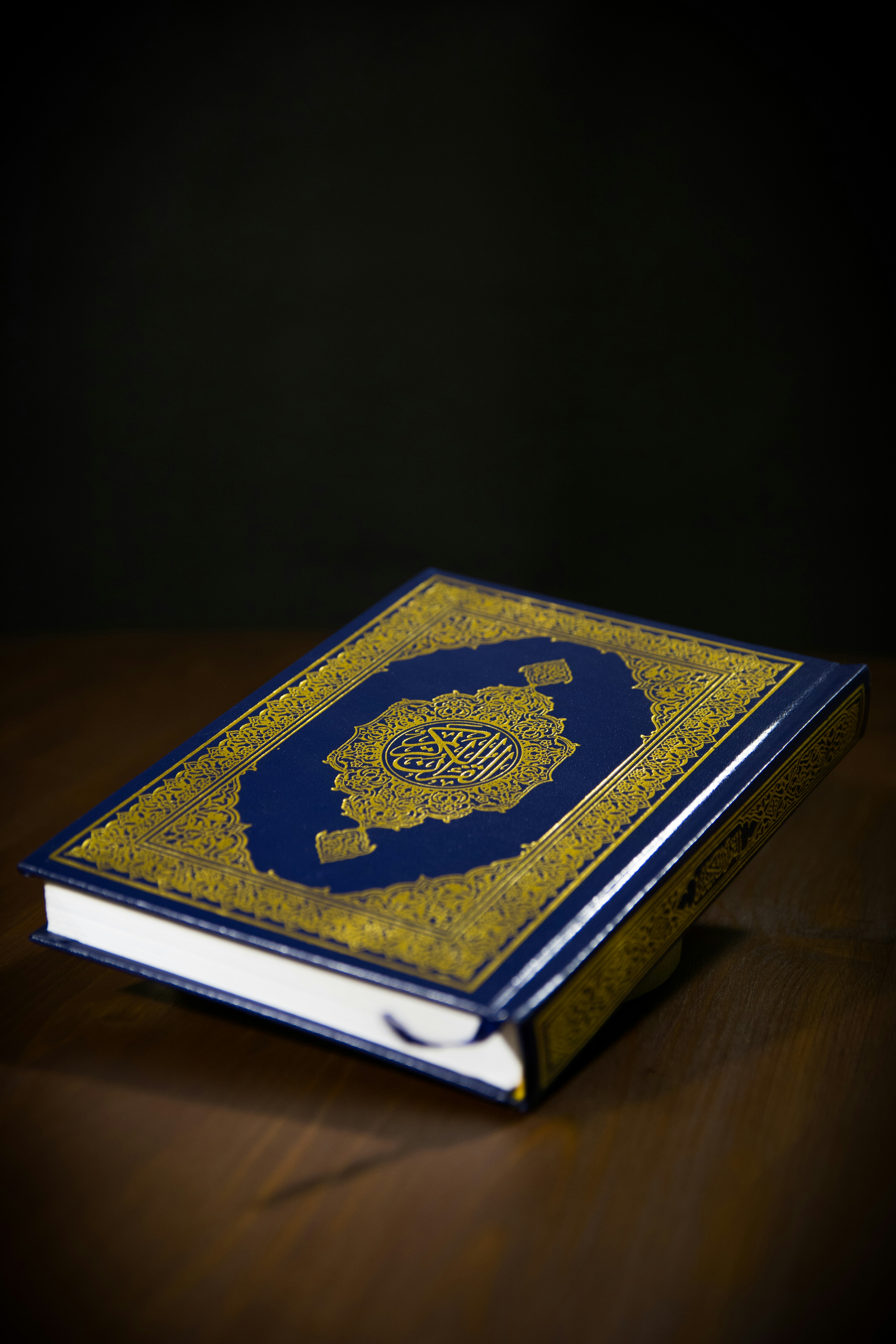

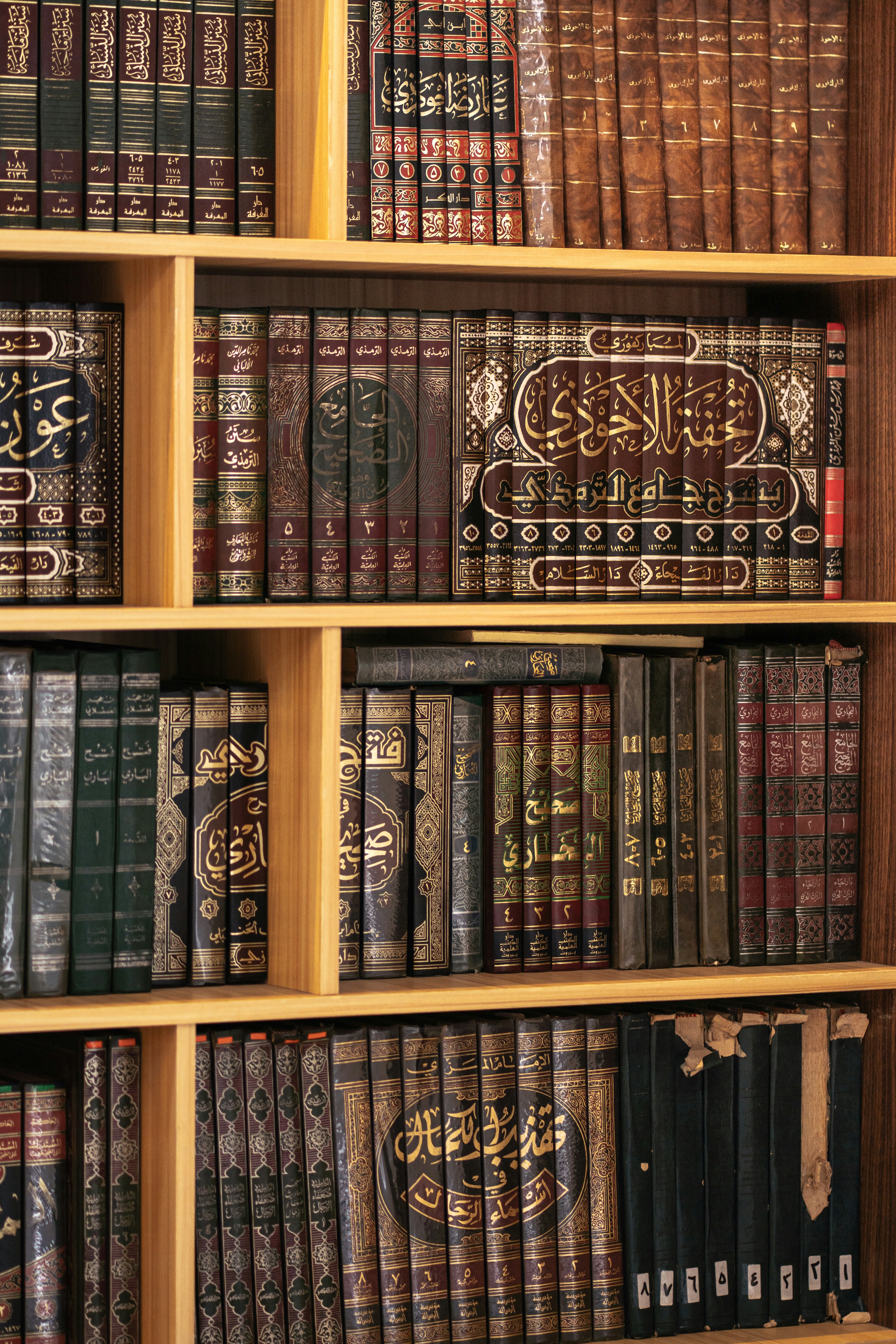


Rooted in classical scholarship.
Our curriculum draws on the same texts and tradition taught in the seminary — Fiqh, ʿAqīdah, Tafsīr, Ḥadīth, History, and Apologetics.
Taught for the real world.
Our teachers are ʿĀlimiyyah graduates and ḥuffāẓ, but also an engineer, a philosophy graduate, and educators.
They bridge the tradition and the world you live in, so the knowledge lands.
Built to fit your life.
Evening and weekend classes, in person or live online. Serious study that works with your job, your degree, and your family.
Our teachers
Learn from people who live in the same world you do.
FAQ
Frequently asked questions
Who is Youth Islamic Studies for?
For anyone whose structured Islamic learning paused after childhood — high school students, university students, and working professionals. You don't need to be young; the "youth" in our name reflects where most of us are in our journey of knowledge: still growing. Whether you're returning to structured study after years away or building on the basics, there's a place for you here.
Do I need prior knowledge to join?
It depends on the program. Our Fiqh & ʿAqīdah Essentials intensive is fully beginner-friendly and assumes no prior background — it's the ideal starting point. The four-year Youth Islamic Studies program assumes a working foundation in the basics of worship and belief, so if you're newer to structured study, we'll guide you to begin with Essentials first.
Can I attend online, or is it in person only?
Many of our programs are available both ways — join us in person, or attend the same live classes online. Some programs, like Qur'ān memorization, are in person only. Each program page notes its format.
Do I need to know Arabic?
No. For programs like Thematic Tafsīr and Ḥadīth, the instructor translates and explains everything in English. Our Qur'ānic Literacy program is where you learn to read Arabic itself, starting from the letters.
How much does it cost?
Fees vary by program, and we work hard to keep them accessible — most programs range from $100 to $150 per month, with some full-year courses at a fixed rate. Full details are on each program page. And no student is ever turned away for cost: sponsorship is available for those who need it.
What if the class I want is full?
Some of our in-person classes fill up, but seats open regularly. You can join the waitlist and we'll contact you the moment a place becomes available — and for programs offered online, enrolment is usually open even when in-person seats are full.
Where are you located?
We're based in Pickering, Ontario, serving the Greater Toronto Area in person.
How do I register?
Head to the program you're interested in and use the register button, or contact us on WhatsApp at (647) 241-2944 and we'll guide you through it.
Is there an age requirement?
Because of the depth of the topics we cover, our programs are designed for students aged 14 and up. There's no upper age limit. Whether you're in high school, university, or well into your career, you're welcome here.